

The Complete Guide to Knee Braces: Everything You Need to Know
Knee pain affects millions of people every day. Whether you're an athlete recovering from injury or someone managing arthritis, finding the right knee support can make a significant difference in your quality of life. Knee braces offer targeted compression, stability, and pain relief for various conditions.
This comprehensive guide walks you through everything you need to know about knee braces. You'll discover different types, learn how to choose the right one, and understand proper usage techniques.
Making an informed decision about knee support starts with understanding your options. Let's explore how knee braces work and which type might be perfect for your specific needs.
What Are Knee Braces and How Do They Work?
Knee braces are medical devices designed to provide support, stability, and compression to the knee joint. They work by redistributing pressure, limiting harmful movements, and promoting proper alignment during activity or recovery.

The primary purpose of a knee brace is to protect the knee from further injury while allowing controlled movement. These devices support ligaments, reduce strain on tendons, and help manage pain during daily activities or sports.
Knee supports come in various designs. Each type addresses specific conditions and provides different levels of support. The right brace depends on your injury type, activity level, and recovery goals.
Key Functions of Knee Braces
-
Stabilize the knee joint during movement
-
Reduce pain through targeted compression
-
Limit range of motion to prevent re-injury
-
Improve proprioception and body awareness
-
Support weakened ligaments and tendons
-
Distribute weight away from damaged areas

Medical professionals often recommend knee braces as part of comprehensive treatment plans. They complement physical therapy, medication, and rest to accelerate recovery and prevent future injuries.
Different Types of Knee Braces Explained
Understanding the different types of knee braces helps you select the most appropriate support for your specific condition. Each category serves distinct purposes and offers varying levels of protection.

Prophylactic Knee Braces
Prophylactic braces are designed to prevent knee injuries during contact sports. Athletes who play football, hockey, or rugby often wear these braces to protect healthy knees from impact.
These sports knee braces feature rigid supports on the sides of the knee. They help prevent lateral movements that could damage ligaments during collisions or sudden directional changes.

Functional Knee Braces
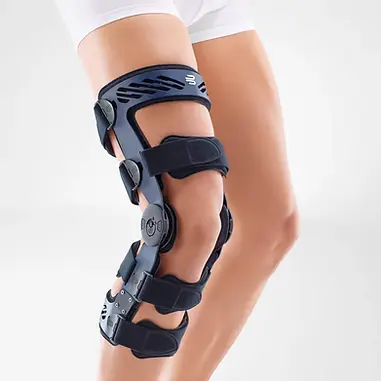
Functional braces provide support for knees that have already been injured. They're commonly prescribed after ACL or MCL injuries to stabilize the joint during recovery and return to activity.
A hinged knee brace falls into this category. The hinged design allows controlled bending while preventing harmful sideways movement. Many athletes use these supports when returning to sports after ligament injuries.
Rehabilitative Knee Braces

Rehabilitative braces are used immediately after surgery or severe injury. These medical knee braces limit knee movement to protect healing tissues and prevent re-injury during the critical recovery phase.
Healthcare providers often adjust these braces throughout recovery. They gradually allow more movement as healing progresses. This controlled approach helps ensure proper tissue repair and joint function restoration.
Unloader/Offloader Knee Braces

Unloader braces are specifically designed for people with knee arthritis. These specialized supports shift weight away from the damaged part of the joint, reducing pain during walking and daily activities.
The design creates a three-point pressure system. This mechanism opens up the compressed joint space, allowing better movement with less pain. Many arthritis patients report significant pain reduction when using these braces correctly.
Compression Knee Sleeves
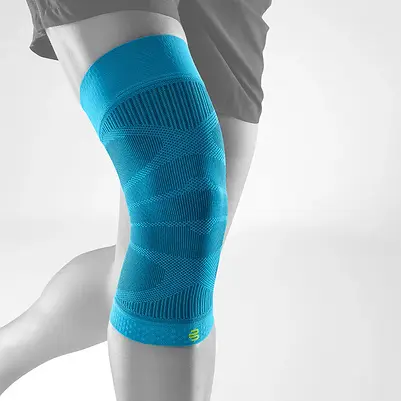
A compression knee sleeve provides mild support and warmth to the knee joint. These are the most common type of knee support for general pain relief, minor injuries, and everyday activity.
Compression knee supports improve blood flow and reduce swelling. Athletes often wear these during training to provide gentle support without restricting movement. The compression also helps with proprioception and joint awareness.
Patellar Stabilizing Braces

These specialized braces address kneecap tracking problems. A patella band or knee strap helps keep the kneecap aligned properly during movement, preventing pain from patellar tracking disorders.
Many runners experience knee pain from improper kneecap movement. These braces provide targeted support around the patella, helping it track correctly in its groove during running and jumping activities.
Common Conditions That Require Knee Braces
Various knee conditions and injuries benefit from proper brace support. Understanding these conditions helps you recognize when a knee brace might provide relief and improve your mobility.

Ligament Injuries
Anterior cruciate ligament and medial collateral ligament injuries are among the most common knee injuries. These injuries often occur during sports that involve sudden stops, jumps, or direction changes.
A hinged knee brace provides crucial stability during ligament injury recovery. The brace allows controlled movement while preventing the sideways motion that could worsen the injury. Many patients wear these braces for several months during rehabilitation.

Patellar Tendinitis
Also known as jumper's knee, this condition causes pain in the tendon connecting the kneecap to the shinbone. Athletes who frequently jump or run on hard surfaces commonly develop this overuse injury.
A patella band worn just below the kneecap helps relieve pain from patellar tendinitis. The strap redistributes forces on the tendon, reducing strain during activity. Many athletes continue training while wearing these supports.

Post-Surgical Recovery
After knee surgery, protection during healing is essential. Surgical procedures for ligament reconstruction, meniscus repair, or cartilage restoration require careful movement control during recovery.
Medical knee braces prescribed after surgery limit movement to specific safe ranges. Healthcare providers adjust these braces throughout recovery, gradually allowing more motion as tissues heal and strengthen.

Osteoarthritis
Knee arthritis causes pain, stiffness, and reduced mobility. The condition develops when cartilage in the joint breaks down, leading to bone-on-bone contact that creates inflammation and discomfort.
Unloader braces specifically address arthritis pain by shifting weight away from the damaged compartment. Studies show these braces can reduce pain and improve function in people with moderate knee arthritis.

Meniscus Tears
The meniscus is cartilage that cushions and stabilizes the knee joint. Tears can occur from sudden twisting movements or gradual wear over time. These injuries cause pain, swelling, and sometimes a catching sensation.
Compression knee supports help manage meniscus tear symptoms by reducing swelling and providing stability. While some tears require surgery, many people find relief with conservative treatment including bracing and physical therapy.

General Knee Pain and Instability
Many people experience knee pain without a specific diagnosed injury. Overuse, weak muscles, or minor injuries can cause discomfort and a feeling of instability during daily activities.
A compression knee sleeve often provides sufficient support for general knee pain. The gentle compression improves circulation, reduces minor swelling, and enhances joint awareness. Many people wear these supports during exercise or long periods of standing.
Benefits and Advantages of Using Knee Braces
Knee braces offer numerous benefits beyond basic support. Understanding these advantages helps you appreciate how the right brace can significantly improve your recovery, pain management, and overall knee health.
Pain Relief and Management
One of the primary benefits of knee braces is effective pain relief. The compression and support reduce stress on injured or arthritic joints, leading to decreased discomfort during movement and rest.
Many users report immediate pain reduction when wearing appropriate knee support. The brace limits movements that aggravate pain while providing gentle compression that reduces inflammation and swelling.
Enhanced Stability and Confidence
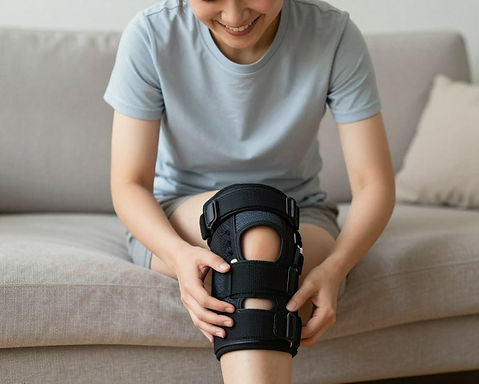
Knee braces significantly improve joint stability. This enhanced stability translates into greater confidence during daily activities, sports, and exercise. You can move with less fear of the knee giving out or causing injury.
The psychological benefit of feeling secure should not be underestimated. Many patients report that wearing a knee brace helps them return to activities they had avoided due to fear of injury or pain.
Injury Prevention
Prophylactic braces help prevent initial injuries during high-risk sports activities. For those with previous injuries, braces reduce the risk of re-injury by providing support and limiting harmful movements.
Sports knee braces allow athletes to continue training and competing while protecting vulnerable joints. This protection enables faster return to sport with reduced risk of setbacks.

Improved Proprioception
Proprioception refers to your body's awareness of joint position and movement. Knee braces enhance this awareness through compression and contact with the skin, improving coordination and balance.
Better proprioception leads to more controlled movements and reduced risk of awkward positions that could cause injury. This benefit is particularly valuable for athletes and active individuals.
Faster Recovery
Appropriate knee support accelerates healing by protecting injured tissues while allowing controlled movement. The brace prevents movements that could disrupt healing while maintaining circulation and preventing stiffness.
Physical therapy combined with proper bracing creates optimal conditions for tissue repair. Many healthcare providers consider bracing an essential component of comprehensive injury treatment plans.

Reduced Swelling
Compression knee supports effectively reduce swelling after injury or surgery. The graduated compression improves circulation and prevents fluid accumulation in the joint area.
Less swelling means reduced pain and better joint mobility. Many people wear compression knee sleeves specifically for their anti-swelling benefits during the acute phase of injury.

Support for Weak Muscles
Knee braces compensate for weak or injured muscles around the joint. While muscle strengthening remains important, braces provide interim support that allows you to maintain activity levels during rehabilitation.
This support prevents deconditioning that often occurs when people avoid activity due to knee problems. Maintaining activity levels is crucial for overall health and successful recovery.
Cost-Effective Treatment Option
Compared to surgical interventions, knee braces represent a cost-effective treatment option. Many conditions respond well to conservative treatment that includes bracing, physical therapy, and medication.
Even when surgery is eventually necessary, pre-operative bracing often improves outcomes by maintaining function and reducing inflammation before the procedure.
Advantages of Knee Braces
-
Immediate pain relief through compression and support
-
Enhanced stability during movement and activity
-
Reduced risk of injury and re-injury
-
Faster recovery from injuries and surgery
-
Improved proprioception and body awareness
-
Decreased swelling and inflammation
-
Non-invasive treatment option
-
Cost-effective compared to surgery
-
Allows continued activity during healing
-
Boosts confidence in knee function
Potential Limitations
-
May cause skin irritation with prolonged wear
-
Can be uncomfortable in hot weather
-
Requires proper fitting for effectiveness
-
May slip or shift during intense activity
-
Not a substitute for proper treatment
-
Can lead to muscle dependency if overused
-
May be visible under clothing
-
Requires regular cleaning and maintenance
How to Choose the Right Knee Brace
Selecting the appropriate knee brace requires careful consideration of several factors. The right choice depends on your specific condition, activity level, and personal preferences. This guide helps you make an informed decision.
Identify Your Condition or Injury
The first step in choosing a knee brace is understanding your specific knee problem. Different conditions require different types of support. A consultation with a healthcare provider ensures an accurate diagnosis.
Ligament injuries typically need hinged knee braces for maximum stability. Arthritis pain responds well to unloader braces. Minor pain and swelling often improve with compression knee sleeves. Matching your condition to the appropriate brace type is crucial for effectiveness.

Determine Your Activity Level
Your daily activities and sports participation influence which knee brace works best. Athletes need different support than people with sedentary lifestyles. Consider both current and anticipated activity levels.
High-impact sports require rigid braces with excellent stability. Casual walkers might find compression sleeves sufficient. Desk workers with arthritis may prioritize comfort over maximum support.
Consider the Level of Support Needed
Knee braces offer varying levels of support from light to maximum. Understanding support levels helps narrow your choices effectively.
Support Levels Explained
-
Light Support: Compression sleeves for minor pain and swelling
-
Moderate Support: Stabilizers with additional structure for everyday activities
-
Maximum Support: Hinged braces for serious injuries and post-surgery
-
Specialized Support: Unloader braces for arthritis, patellar braces for tracking issues
Get the Right Size and Fit
Proper fit is absolutely essential for knee brace effectiveness. An ill-fitting brace won't provide adequate support and may cause additional problems like skin irritation or circulation issues.
Most manufacturers provide sizing charts based on measurements around the knee and thigh. Measure at the specified locations with a flexible measuring tape. Take measurements while standing with the knee slightly bent.
Sizing Tips for Best Fit
-
Measure both legs if experiencing bilateral problems
-
Take measurements at the same time of day (swelling varies)
-
Follow manufacturer-specific sizing instructions carefully
-
When between sizes, consider your activity level and preference for compression
-
Try the brace on before committing if possible
Evaluate Material and Construction
Knee brace materials affect comfort, durability, and effectiveness. Common materials include neoprene, elastic knit fabrics, and rigid plastic or metal components.
Neoprene provides excellent compression and warmth but can be hot during intense activity. Breathable mesh fabrics offer better ventilation for sports. Consider your climate and activity when evaluating materials.
Check for Adjustability Features
Adjustable straps and closures allow you to customize fit and compression. This adjustability is particularly important as swelling changes throughout the day and during recovery.
Look for multiple adjustment points that let you control compression in different areas. Quality closures should be secure but easy to operate. Some advanced braces offer tool-free adjustments for hinge settings.
Consider Comfort Features
You're more likely to wear a knee brace consistently if it's comfortable. Look for features like contoured designs, padding in pressure areas, and moisture-wicking fabrics.
Comfort becomes especially important if you'll wear the brace for extended periods. Try to balance maximum support with reasonable comfort for your specific situation.
Read Reviews and Research Brands
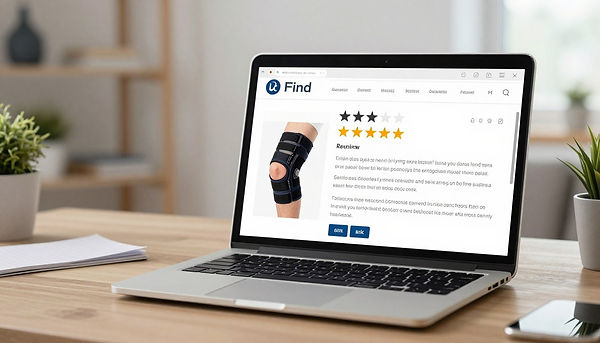
Customer reviews provide valuable insights into real-world performance, durability, and sizing accuracy. Look for reviews from people with similar conditions and activity levels.
Reputable brands like Bauerfeind, DonJoy, and McDavid have established reputations for quality. However, lesser-known brands may offer good value. Research the manufacturer's history and customer service reputation.
Consult Healthcare Professionals
While this guide provides general information, consulting with healthcare providers ensures you choose the most appropriate brace for your specific situation. Physical therapists, orthopedists, and sports medicine doctors can provide personalized recommendations.
Some conditions require medical-grade braces that should be fitted by professionals. Custom braces offer the best fit and support for complex injuries but require professional measurement and fitting.

Professional Fitting Benefits
Professional fitting ensures optimal brace performance and comfort. Trained specialists can identify the right brace type, ensure correct sizing, teach proper application techniques, and make adjustments for individual anatomy. Consider professional fitting for hinged braces, unloader braces, post-surgical supports, and any brace covered by insurance.
How to Properly Wear and Use a Knee Brace
Correct application and use of your knee brace maximizes its effectiveness. Improper wear can reduce benefits or even cause problems. Follow these guidelines for optimal results.
Prepare Your Knee and Skin
Start with clean, dry skin before applying any knee brace. Remove any lotions, oils, or creams that could affect grip and comfort. Excess moisture can cause the brace to slip during activity.
Check your skin for any irritation, cuts, or rashes before application. Address skin issues before wearing the brace. Consider wearing a thin sleeve underneath if you have sensitive skin.
Apply the Brace Correctly
Position the brace with the knee slightly bent. Most compression knee sleeves and braces work best when applied in this position. The center of the brace should align with the center of your kneecap unless otherwise specified.
-
Position the brace opening at the correct height relative to your kneecap
-
Pull or wrap the brace up or around your leg to the proper position
-
Ensure the patella opening or support aligns with your kneecap
-
Adjust straps starting from the bottom and working upward
-
Check that the brace sits flat without bunching or rolling
-
Verify that hinges align with your natural knee joint line
-
Adjust compression to feel snug but not restrictive
Adjust for Proper Compression
The brace should feel snug and supportive without cutting off circulation. You should be able to slide one finger under the edge, but the brace shouldn't slip or rotate during movement.
Signs of Improper Fit
Watch for these warning signs that indicate your knee brace needs adjustment: numbness or tingling in your leg or foot, skin turning white or blue, excessive redness or indentation marks that don't fade quickly, brace sliding or rotating during activity, and increased pain when wearing the brace. If you experience any of these signs, loosen the brace immediately and reassess the fit.
Break In Your New Brace
New knee braces may feel stiff or uncomfortable initially. Wear your brace for short periods at first, gradually increasing duration as you adapt. This break-in period helps both you and the brace adjust.
Start with one to two hours of wear during light activity. Increase by one to two hours daily if comfortable. Most people fully adapt to their new brace within one week.
Know When to Wear Your Brace
Wear schedules depend on your condition and brace type. Some braces are worn only during activity, while others should be worn most of the day. Follow your healthcare provider's recommendations.
Activity-Only Wear
-
Prophylactic sports braces during play
-
Compression sleeves for exercise
-
Patellar straps during running
-
Light supports for active periods
Extended Wear
-
Unloader braces throughout the day
-
Rehabilitative braces during recovery
-
Functional braces for daily stability
-
Post-surgical supports as prescribed
Remove and Inspect Regularly
Remove your knee brace at least once daily to check your skin condition. Look for redness, irritation, or pressure points. Brief breaks allow your skin to breathe and help prevent issues.
Most people should remove braces at night unless specifically instructed otherwise. Nighttime removal prevents excessive compression during sleep and allows skin recovery.

Combine with Other Treatments
Knee braces work best as part of comprehensive treatment. Combine bracing with physical therapy exercises, appropriate medication, rest when needed, and gradual return to activity.
Don't rely solely on the brace to solve knee problems. Address underlying issues through strengthening exercises and proper rehabilitation. The brace supports healing but doesn't replace active treatment.
Avoid Common Usage Mistakes
Several common errors reduce brace effectiveness. Understanding these mistakes helps you avoid them and get maximum benefit from your knee support.
Common Mistakes
-
Wearing brace too loose or too tight
-
Applying over pants or thick clothing
-
Ignoring skin irritation warning signs
-
Using wrong brace type for condition
-
Wearing constantly without breaks
-
Failing to adjust as swelling changes
-
Not following prescribed wear schedule
Correct Practices
-
Adjust compression for snug but comfortable fit
-
Apply directly against skin or thin sleeve
-
Check skin condition daily and address issues
-
Consult professional for proper brace selection
-
Remove brace at night and for skin breaks
-
Readjust straps throughout the day as needed
-
Follow healthcare provider recommendations
Monitor Your Progress
Track your pain levels, mobility, and function while using your knee brace. Note any changes in symptoms or new issues that develop. This information helps you and your healthcare provider assess effectiveness.
Keep a simple log noting daily wear time, activity levels, and pain ratings. Share this information at follow-up appointments to guide treatment adjustments.

Tips for Maintenance and Care
Proper maintenance extends your knee brace lifespan and ensures it remains effective and hygienic. Regular care prevents odor, material degradation, and mechanical failure.
Cleaning Your Knee Brace
Most knee braces require regular cleaning to prevent bacteria buildup and odors. Cleaning frequency depends on how often you wear the brace and your activity level.
General Cleaning Guidelines
Always check manufacturer instructions before cleaning. Remove any metal stays or hinges if possible. Hand washing is typically safest for most braces.
-
Fill a basin with cool or lukewarm water
-
Add mild detergent without bleach or fabric softener
-
Remove metal components if they're detachable
-
Submerge the brace and gently agitate
-
Use a soft brush on heavily soiled areas
-
Rinse thoroughly until all soap is removed
-
Press out excess water without wringing or twisting
-
Air dry completely before wearing or storing
Cleaning Different Materials
Different brace materials require specific care approaches. Neoprene braces need gentle handling to prevent material breakdown. Fabric braces may tolerate machine washing on delicate cycles.
Neoprene: Hand wash with mild soap. Air dry flat away from heat, After every 2-3 uses.
Elastic fabric: Machine wash cold, delicate cycle. Air dry or low heat tumble, After every use.
Rigid plastic/metal: Wipe with a damp cloth and disinfectant. Wipe dry immediately, after every use.
Padded straps: Spot clean or hand wash separately. Air dry completely, Weekly or when soiled.
Proper Drying Techniques
Never put knee braces in the dryer unless specifically approved by the manufacturer. High heat damages elastic fibers and can warp rigid components.
Lay braces flat on a clean towel or hang them in a well-ventilated area away from direct sunlight and heat sources. Complete drying prevents mildew growth and material degradation.
Storage Recommendations
Store your knee brace in a cool, dry place when not in use. Avoid leaving it in hot cars, damp bathrooms, or cramped gym bags for extended periods.
Keep braces in breathable bags rather than sealed plastic. Allow complete drying before storage to prevent odor and bacterial growth. Store away from pets and children.
Inspect for Wear and Damage
Regular inspection helps catch problems before they affect brace function. Check your knee brace weekly for signs of wear, damage, or deterioration.
Inspection Checklist
-
Check velcro for debris and proper adhesion
-
Examine straps for fraying or stretching
-
Inspect stitching for loose threads or separation
-
Test hinges for smooth operation and stability
-
Look for cracks in rigid plastic components
-
Check elastic for loss of compression
-
Examine padding for compression or bunching
Replace When Necessary
Knee braces don't last forever. Compression materials lose elasticity over time, and mechanical components wear out. Replace your brace when it no longer provides adequate support.
Most compression sleeves last three to six months with regular use. Hinged braces may last one to two years. Replace any brace showing significant wear, loss of elasticity, or mechanical failure.
Maintain Multiple Braces
Consider owning two braces if you wear one daily. Alternating between braces extends their lifespan and ensures you always have a clean, dry option available.
Having a backup also prevents treatment interruption if your primary brace needs repair or replacement. This is especially important for people who rely on braces for daily function.

Address Odor Problems
Despite regular cleaning, some braces develop persistent odors. This is particularly common with neoprene materials worn during intense activity.
Add white vinegar to rinse water or use enzyme-based sports gear cleaners designed for athletic equipment. Ensure complete drying after each use to prevent bacterial growth that causes odors.
Professional Maintenance
Some complex braces benefit from professional maintenance. Hinged braces may need hinge adjustments or lubrication. Custom braces might require refitting as your condition changes.
Contact the manufacturer or your healthcare provider if mechanical components malfunction or if you're unsure about proper maintenance procedures. Many manufacturers offer repair services for damaged braces.
When to Seek Professional Medical Advice
While knee braces provide valuable support, they're not appropriate for all situations. Knowing when to consult healthcare professionals ensures you receive proper treatment and avoid complications.

Initial Evaluation Needs
See a healthcare provider before purchasing a knee brace if you experience severe pain, significant swelling, inability to bear weight, visible deformity, or symptoms following acute injury.
Professional diagnosis ensures you choose the appropriate brace type and addresses underlying conditions that might need more than just support. Self-treating serious injuries can lead to complications and delayed healing.
Signs Your Current Treatment Isn't Working
If you're already using a knee brace but not seeing improvement, a professional evaluation is necessary. Persistent or worsening symptoms indicate the need for treatment adjustment.
Seek Medical Attention If You Experience:
Contact your healthcare provider if you notice increasing pain despite brace use, new symptoms developing while wearing the brace, skin problems like severe irritation or breakdown, signs of infection such as redness, warmth, or fever, instability that the brace doesn't control, or decreased range of motion over time. These symptoms may indicate that your current treatment plan needs modification.
Prescription Brace Requirements
Some medical knee braces require prescriptions, especially those covered by insurance. Post-surgical braces and custom-fitted unloader braces typically need professional fitting and a prescription.
Working with certified practitioners ensures proper brace selection, fitting, and adjustment. These specialists have training in biomechanics and can customize braces to your specific anatomy and needs.
Complex Conditions Requiring Specialist Care
Certain conditions require ongoing specialist management even with appropriate bracing. These include progressive arthritis, recurrent ligament instability, multiple joint problems, and conditions not improving with conservative treatment.
Orthopedic surgeons, sports medicine physicians, and rheumatologists specialize in complex knee problems. They can determine whether bracing alone is sufficient or if additional interventions are necessary.

Insurance and Medical Documentation
Many insurance plans cover prescribed knee braces for documented medical conditions. Proper documentation from healthcare providers is essential for coverage approval.
Keep all medical records, prescriptions, and receipts related to your knee treatment. This documentation supports insurance claims and helps track your treatment progress over time.
Follow-Up Care Importance
Regular follow-up appointments allow healthcare providers to monitor your recovery and adjust treatment as needed. Don't skip follow-ups even if you're feeling better.
Your provider can assess whether your brace continues to be appropriate or if changes are needed. They can also identify developing problems before they become serious.
Emergency Situations
Seek immediate medical care for severe trauma, suspected fractures, dislocations, or severe ligament tears. These situations require urgent evaluation and treatment beyond what bracing can provide.
Don't attempt to brace and self-treat injuries involving significant trauma, hearing a pop or snap, immediate severe swelling, or inability to move the knee at all.
Common Myths and Misconceptions About Knee Braces
Many misconceptions about knee braces prevent people from using them effectively or lead to improper use. Understanding the facts helps you make informed decisions about knee support.
Myth: Knee Braces Weaken Your Muscles
This is one of the most persistent myths about knee braces. The concern is that relying on external support causes muscles to atrophy from disuse.
Research shows that appropriate brace use doesn't weaken muscles when combined with proper rehabilitation. Braces support joints, not replace muscle function. Your muscles continue working to move and stabilize the knee.
The key is using braces as part of comprehensive treatment that includes strengthening exercises. Prolonged immobilization without exercise can weaken muscles, but this applies to any form of immobilization, not specifically to bracing.
Myth: Tighter Braces Provide Better Support
Many people believe that cranking down straps for maximum tightness improves effectiveness. This misconception can lead to circulation problems and decreased comfort.
Proper compression is snug but comfortable. Over-tightening restricts blood flow, causes numbness, and can actually reduce effectiveness by preventing natural joint movement. The brace should provide support without cutting off circulation.
Myth: You Only Need Braces for Serious Injuries
Some people think knee braces are only necessary for severe injuries or post-surgery. This belief prevents many from benefiting from preventive support or early intervention.
Compression knee sleeves help with minor pain and swelling. Prophylactic braces prevent injuries in high-risk sports. Early support for minor issues can prevent them from becoming major problems.
Myth: All Knee Braces Are Basically the Same
This misconception leads people to choose inappropriate braces for their conditions. Different designs serve very different purposes.
Why Brace Types Matter
-
Each design addresses specific conditions
-
Support levels vary dramatically between types
-
Materials affect compression and stability
-
Features target different injury mechanisms
-
Proper selection improves outcomes significantly
Risks of Wrong Brace Selection
-
Insufficient support for serious injuries
-
Excessive restriction for minor issues
-
Wasted money on inappropriate products
-
Delayed recovery from improper treatment
-
Potential for worsening existing conditions
Myth: Knee Braces Cure Injuries
Braces are supportive devices, not cures. They facilitate healing and manage symptoms but don't repair damaged tissues by themselves.
Effective treatment requires multiple approaches including rest, physical therapy, appropriate medication, and time. The knee brace supports these efforts but doesn't replace them. Think of braces as tools that enable healing rather than treatments themselves.
Myth: You Should Wear Braces All the Time
Some believe continuous wear provides maximum benefit. However, most braces shouldn't be worn twenty-four hours daily unless specifically prescribed for post-surgical protection.
Skin needs breaks from compression. Joints benefit from periods of unrestricted movement in safe environments. Follow your healthcare provider's recommendations about wear schedules rather than defaulting to constant use.
Myth: Expensive Braces Are Always Better
While quality matters, the most expensive option isn't always the most appropriate. The best knee brace is the one that properly addresses your specific condition and fits correctly.
A properly fitted basic compression sleeve may be more effective for minor pain than an expensive hinged brace. Match the brace to your needs rather than assuming higher cost equals better results.
Myth: Braces Prevent All Knee Injuries
Prophylactic braces reduce injury risk but don't provide absolute protection. No brace can prevent all injuries from occurring, especially in high-impact contact sports.
What Braces Can and Cannot Do
Knee braces effectively reduce risk of certain injury types, particularly lateral ligament injuries. They provide valuable support during recovery and help manage chronic conditions. However, they cannot prevent injuries from extreme forces, replace proper training and conditioning, correct poor movement patterns without other interventions, or substitute for appropriate rest and recovery. Understand realistic expectations for your brace's capabilities.
Myth: You Don't Need Professional Fitting
Many people buy braces online without professional guidance, assuming sizing charts are sufficient. While some simple braces work well with self-fitting, others require professional expertise.
Complex braces like hinged supports and unloader braces benefit significantly from professional fitting. Experts can adjust components, ensure proper alignment, and teach correct application techniques that maximize effectiveness.
Making the Right Choice for Your Knee Health
Choosing and using the right knee brace can significantly improve your quality of life. Whether you're managing chronic pain, recovering from injury, or preventing problems during sports, understanding your options empowers you to make informed decisions.
Remember that knee braces work best as part of comprehensive treatment. Combine proper support with physical therapy, appropriate activity modification, and professional medical guidance. This integrated approach provides the best outcomes for most knee conditions.
Take time to assess your specific needs. Consider your condition severity, activity level, and treatment goals. Consult healthcare professionals when needed, especially for serious injuries or persistent pain.
Proper use and maintenance ensure your knee brace remains effective throughout your recovery or management period. Follow application guidelines, maintain the brace properly, and adjust your approach as your condition changes.
Your journey to better knee health starts with understanding your options and taking action. Whether you need mild compression for general support or maximum stability for injury recovery, the right knee brace can help you maintain an active, comfortable lifestyle.