

Your Complete Guide to Compression Stockings: Benefits, Types, and How to Choose the Right Pair
Compression stockings have become essential for millions of people worldwide. These specialized garments improve blood flow and provide relief from various leg conditions. Whether you stand all day at work, travel frequently, or manage a medical condition, compression socks can make a significant difference in your comfort and health.
This guide covers everything you need to know about compression stockings. You'll learn how they work, which type suits your needs, and how to choose the perfect fit. Let's explore why these medical garments have become a staple in both healthcare and everyday wellness.
How Compression Stockings Work: The Science Behind Graduated Compression

Compression stockings use graduated compression technology. This means they apply the strongest pressure at your ankle. The pressure gradually decreases as it moves up your leg.
This design works with your body's natural circulatory system. When you're standing or sitting, blood in your legs must fight gravity to return to your heart. The graduated compression helps push blood upward.

The Pressure Gradient Effect
The ankle receives the highest compression level. This typically measures between 20 to 40 mmhg depending on the stocking type. As the fabric extends upward, the pressure reduces by approximately 70% at the knee and 30% at the thigh for full-length stockings.

Supporting Venous Return
Your leg veins contain one-way valves that prevent blood from flowing backward. Compression socks support these valves by applying external pressure. This reduces vein diameter and increases blood velocity. The result is improved circulation and reduced pooling in the lower legs.
The compression also helps reduce fluid accumulation in tissues. This explains why compression stockings effectively manage swelling. Many people notice less ankle swelling after wearing compression socks throughout the day.
Types of Compression Stockings and Understanding Compression Levels

Compression stockings come in several styles and pressure levels. Choosing the right combination depends on your specific needs and the condition you're addressing.

Knee-High Compression Socks
The most popular style covers from toes to just below the knee. Knee-high compression socks work well for most circulatory issues. They're easier to put on than longer styles and work effectively for daily wear.
-
Easiest to apply and remove
-
Ideal for mild to moderate swelling
-
Perfect for standing jobs and travel
-
Most comfortable for all-day wear

Thigh-High Compression Stockings
These extend from your toes to your upper thigh. Thigh-high compression stockings provide coverage for conditions affecting the entire leg. They stay in place with silicone bands at the top.
-
Complete leg coverage
-
Better for varicose veins in upper legs
-
Require more effort to put on
-
May feel warmer in hot weather

Compression Pantyhose
Full pantyhose-style compression covers both legs from toes to waist. This style works best when you need compression throughout both legs. Many people prefer this during pregnancy or for severe circulatory conditions.
-
Complete coverage both legs
-
Stays in place without bands
-
Ideal for pregnancy-related swelling
-
Most challenging to put on
Compression Stocking Lengths
Understanding Compression Levels (mmHg)
Compression strength is measured in millimeters of mercury (mmhg). This measurement tells you how much pressure the stockings apply. Different conditions require different compression levels.
Mild Compression (15-20 mmHg)
This gentle compression level suits first-time users and mild conditions. You don't need a prescription for mild compression socks.
-
Minor ankle and leg swelling
-
Tired, aching legs
-
Long flights or car trips
-
Standing or sitting jobs
-
Pregnancy-related leg discomfort
Moderate Compression (20-30 mmHg)
The most commonly prescribed compression level addresses moderate circulatory issues. Medical professionals often recommend this strength.
-
Moderate to severe varicose veins
-
After sclerotherapy treatment
-
Moderate edema management
-
Post-surgical recovery
-
DVT prevention during travel
Firm Compression (30-40 mmHg)
This higher compression level requires a prescription in many regions. Firm compression treats serious circulatory conditions.
-
Severe varicose veins
-
Chronic venous insufficiency
-
Severe edema and lymphedema
-
Post-thrombotic syndrome
-
Active venous ulcers
Important Note: Always consult your healthcare provider before using compression levels above 20 mmhg. They can assess your specific condition and recommend the appropriate compression strength for your needs.
Key Benefits and Common Uses for Compression Stockings

Compression stockings offer benefits for both medical conditions and everyday wellness. Understanding these advantages helps you decide if compression socks are right for you.
Medical Benefits and Therapeutic Uses

Managing Varicose Veins and Venous Insufficiency
Compression socks significantly improve symptoms of varicose veins. The external pressure supports weakened vein walls. Many patients report reduced pain, heaviness, and visible swelling.
Chronic venous insufficiency occurs when leg veins don't return blood efficiently. Compression stockings are a first-line treatment. They help prevent complications and slow disease progression.
Preventing Deep Vein Thrombosis (DVT)
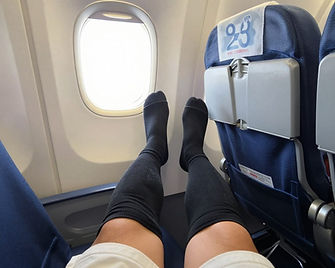
DVT is a serious condition where blood clots form in deep leg veins. Long periods of immobility increase this risk. Air travel, long car trips, and bed rest are common triggers.
Compression socks reduce DVT risk by maintaining blood flow. Many doctors recommend wearing compression stockings during flights longer than four hours. Post-surgical patients often wear them during recovery.

Reducing Edema and Swelling
Edema causes fluid buildup in leg tissues. This creates uncomfortable swelling, especially around ankles. Compression stockings reduce this swelling by promoting fluid movement back into circulation.
People with heart conditions, kidney problems, or lymphedema benefit greatly. The consistent pressure prevents fluid accumulation throughout the day and night.
Pregnancy Support and Comfort
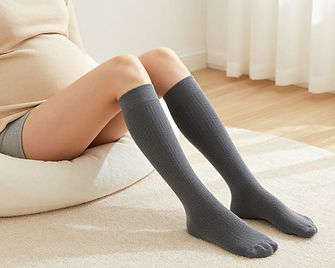
Pregnancy increases blood volume and puts pressure on leg veins. Many expectant mothers develop swelling, varicose veins, and leg discomfort. Compression stockings address all these issues.
Pregnant women can safely wear mild to moderate compression socks. These provide relief without restricting circulation. Many continue wearing them postpartum during recovery.
Medical Benefits and Therapeutic Uses

Athletic Performance and Recovery
Athletes increasingly use compression socks during training and competition. The improved circulation delivers more oxygen to muscles. This can enhance endurance and reduce fatigue.
Post-exercise recovery is where compression really shines. Compression stockings reduce muscle soreness and speed recovery. Many runners wear them after long runs or marathons.
Occupational Leg Fatigue
Jobs requiring prolonged standing or sitting cause leg fatigue. Nurses, retail workers, office employees, and flight attendants commonly experience tired, achy legs. Compression socks combat this occupational hazard.
The gentle pressure keeps blood flowing despite limited movement. Many workers report feeling more energized at the end of their shift when wearing compression.
General Leg Comfort
You don't need a medical condition to benefit from compression stockings. Many people wear them simply for comfort. The supportive feeling and reduced heaviness make legs feel refreshed.
Frequent travelers, weekend warriors, and active individuals often incorporate compression into their daily routine. The preventive benefits outweigh the small investment.
How to Choose the Right Compression Stockings and Use Them Correctly

Getting the right fit is crucial for compression stockings to work effectively. Poor fit can cause discomfort or reduce therapeutic benefits. Follow these guidelines to select and use compression stockings properly.
Selecting the Correct Size
Compression stocking sizes are based on specific leg measurements. Don't rely on shoe size or general clothing sizes. Take measurements in the morning when swelling is minimal.

Key Measurements You'll Need
-
Ankle circumference: Measure around the narrowest part of your ankle, just above the ankle bone
-
Calf circumference: Measure around the widest part of your calf muscle
-
Calf length: Measure from floor to the bend behind your knee for knee-high socks
-
Thigh circumference: Measure the widest part of your thigh (needed for thigh-high or pantyhose styles)
-
Leg length: Measure from floor to the fold of your buttock for full-length styles
Sizing Tips for Best Fit:
If your measurements fall between sizes, consider the compression level. For mild compression, you can often size up for comfort. For medical-grade compression, choose the smaller size for proper therapeutic pressure.
Many brands offer petite, regular, and tall length options. Check the manufacturer's size chart carefully. Each brand may have slightly different sizing standards.
Your legs may measure different sizes for different areas. Always use the largest measurement when choosing your size. This prevents compression that's too tight in any area.
Putting On Compression Stockings
Compression stockings can be challenging to put on, especially higher compression levels. The fabric needs to be snug to provide therapeutic pressure. These techniques make the process easier.

Traditional Method
-
Turn the stocking inside out to the heel
-
Insert your foot into the pocket created
-
Position your heel correctly in the heel pocket
-
Gradually roll or pull the stocking up your leg
-
Smooth out any wrinkles or bunched areas
-
Ensure the top band sits at the proper height
Donning Device Method
-
Use a metal or plastic compression stocking aid
-
Place the stocking on the device frame
-
Insert your foot through the device opening
-
Pull the handles to slide the stocking up
-
Remove the device once stocking is positioned
-
Adjust for comfort and proper placement
Additional Helpful Tips
-
Wear rubber gloves for better grip on fabric
-
Apply compression in the morning before swelling develops
-
Dust legs lightly with cornstarch if skin is sticky
-
Never use lotions or oils before putting on stockings
-
Sit down while putting on compression stockings
-
Take your time - rushing increases difficulty
Care Instructions and When to Replace

Washing and Maintaining Your Compression Stockings
Proper care extends the life of compression stockings and maintains their effectiveness. The elastic fibers can degrade with improper washing.
-
Hand wash preferred: Use lukewarm water and mild soap or detergent
-
Machine washing: Use delicate cycle, cool water, and a mesh laundry bag
-
Never use bleach: Harsh chemicals damage elastic fibers
-
Air dry only: Heat from dryers breaks down compression
-
Wash daily: Daily washing maintains hygiene and elasticity
-
Avoid fabric softener: This can coat fibers and reduce compression

Knowing When to Replace
Compression stockings don't last forever. The therapeutic compression gradually decreases with wear and washing. Replace your stockings when you notice these signs.
-
Reduced tightness: Stockings feel looser than when new
-
Visible wear: Fabric looks thin, pilled, or faded
-
Loss of elasticity: Stockings slide down or bunch easily
-
Time-based replacement: Replace every 3-6 months with daily use
-
Holes or runs: Any damage compromises compression
-
Decreased symptom relief: Your legs feel more tired or swollen
Cost-Saving Tip: Buy multiple pairs of compression stockings. Rotating between pairs reduces wear on each and extends their lifespan. You'll also always have a clean pair available while others are drying.
Care Instructions and When to Replace

While compression stockings offer many benefits, they're not perfect for everyone. Understanding potential issues helps you use them successfully and know when to seek alternatives.
Common Challenges and Solutions
What Works Well
-
Gradual adaptation period helps build tolerance
-
Modern fabrics are much more comfortable than older versions
-
Wide variety of styles and colors available
-
Open-toe options provide flexibility for different footwear
-
Donning devices make application much easier
-
Most people adapt within one to two weeks
Common Complaints
-
Difficulty putting them on, especially initially
-
Feeling too tight or restrictive at first
-
Warm feeling in hot weather or climates
-
Skin irritation for those with sensitive skin
-
Expensive, especially medical-grade options
-
Need for frequent replacement with daily use
Managing Discomfort

Breaking In New Compression Stockings
Start by wearing compression socks for shorter periods. Begin with two to three hours daily. Gradually increase wearing time over a week or two. This allows your legs to adapt to the pressure.
If you experience significant pain or numbness, remove the stockings immediately. These symptoms indicate the compression level may be too high for your needs. Consult your healthcare provider about trying a lower compression level.

Preventing and Addressing Skin Issues
Some people develop skin irritation from compression fabric. Moisturize your legs before bed, not before putting on stockings. This keeps skin healthy without making application difficult.
Choose stockings with moisture-wicking fabrics if you experience excessive sweating. Some people are allergic to certain materials. Look for hypoallergenic options if you develop rashes or itching.
When Compression Stockings May Not Be Appropriate
Medical Contraindications
Certain medical conditions make compression stockings inadvisable or require medical supervision. Never use compression if you have peripheral arterial disease, severe peripheral neuropathy, or skin infections. People with congestive heart failure or pulmonary edema should only use compression under medical direction.
Always consult your doctor before using compression stockings if you have diabetes, dermatitis, or any condition affecting leg sensation. Your healthcare provider can determine if compression therapy is safe for your situation.
Cost Considerations
Quality compression stockings represent an investment in your health. Medical-grade compression costs more than regular socks.
-
Prescription compression may be covered by insurance
-
Over-the-counter options range from $20-60 per pair
-
Medical-grade stockings often cost $50-100 per pair
-
Budget for replacement every 3-6 months
Temperature Sensitivity
Compression stockings can feel warm, especially during summer months or in hot climates.
-
Look for breathable, moisture-wicking materials
-
Consider lighter compression levels in hot weather
-
Open-toe styles provide more ventilation
-
Some brands offer summer-weight options
Lifestyle Adjustments
Incorporating compression into your routine requires some planning and adjustment to your daily schedule.
-
Allow extra time in morning routine for application
-
Plan washing and drying schedule carefully
-
Consider footwear that accommodates thicker stockings
-
Pack extras for travel or long days away
Aesthetic Concerns
Modern compression stockings look much better than medical devices of the past.
-
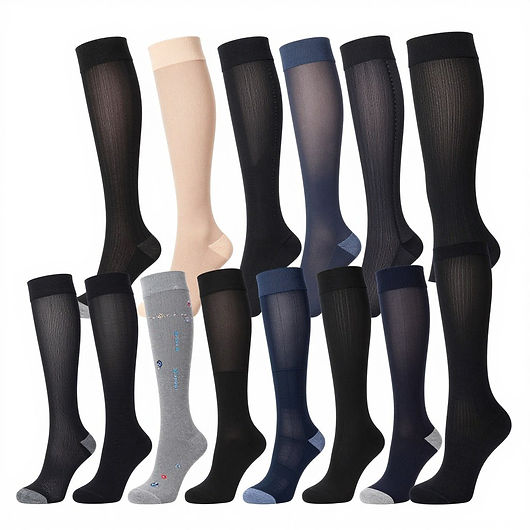
Many fashionable colors and patterns available
-
Sheer options for professional settings
-
Athletic styles for active wear
-
Compression tights can look like regular hosiery

Making an Informed Decision About Compression Stockings

Compression stockings offer proven benefits for circulation, comfort, and managing various leg conditions. From preventing DVT during travel to managing chronic venous insufficiency, these specialized garments serve multiple purposes.
The key to success lies in choosing the right type and compression level for your specific needs. Start with proper measurements and consult your healthcare provider if you need medical-grade compression above 20 mmhg. Remember that mild compression is available over-the-counter for general wellness and prevention.
Don't let initial challenges discourage you. Most people adapt to compression stockings within a week or two. The long-term benefits far outweigh the short adjustment period. Your legs will thank you for the improved circulation and reduced fatigue.
Take time to care for your compression stockings properly. Daily washing and air drying maintains their therapeutic effectiveness. Replace them when you notice reduced compression or visible wear.
Key Takeaways
Whether you need compression for a medical condition, occupational comfort, athletic performance, or travel, there's a solution that fits your lifestyle. Modern compression stockings combine therapeutic effectiveness with comfort and style.
Your journey to better leg health starts with understanding your options. Take the information you've learned here and make an informed choice. Consult with healthcare professionals when needed, especially for medical-grade compression. With the right compression stockings and proper use, you can experience improved comfort and circulation every day.
-
Graduated compression improves circulation by applying pressure from ankle upward
-
Different compression levels serve different needs (15-20, 20-30, 30-40 mmhg)
-
Proper sizing requires specific leg measurements taken in the morning
-
Start with shorter wearing periods and gradually increase
-
Medical consultation recommended for compression above 20 mmhg
-
Replace stockings every 3-6 months for maintained effectiveness